

The Los Angeles Lakers have been desperately holding onto their tradeable first-round pick(s) ahead of the looming NBA trade deadline on Feb. 5. The reasoning for that is obvious. If the Lakers keep steady now, they can be much more active in the future.
Jake Fischer reported a while back that Los Angeles is expected to take a more conservative approach in the crunch-time of trade season. Without the 'perfect right player,' they will not consider putting a first-round pick on the table right now. Dan Woike had a similar viewpoint on the situation, estimating those assets will not change hands before the deadline.
Woike wrote, "The Lakers’ 2032 first-round pick is probably their most valuable trade asset. However, trading that pick would lock the team’s ability to trade the 2031 pick now and the 2033 pick this summer. So, yeah, the 2032 pick probably isn’t going anywhere."
The Lakers beat writer brings up an excellent point. There would be more trade flexibility for the Lakers in the July and August if they stand pat with their first-rounder picks. However, there is also an important counterpoint to that which this ignores.
Lakers’ best asset is their first-round pick — and waiting until summer could maximize it
Not making a move now for salary that would extend past this season would also allow the Lakers their financial flexibility to make a splash in the summer. Coupling that with a tactful trade or two using the 2031 and 2033 picks could reshape the roster well in Los Angeles.
There is just one major point that line of thinking overlooks. It is more expensive to do business in the summer.
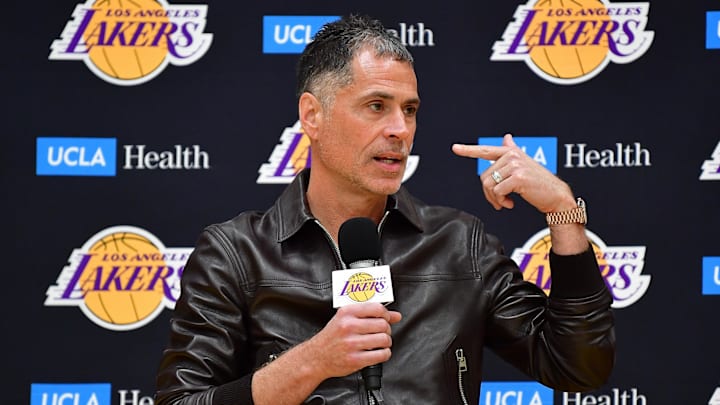
Sure, the Lakers would have access to an extra tradeable pick. Perhaps Rob Pelinka and company really could find a great deal that makes having that added access extremely worthwhile. The history of how (in)active Los Angeles has been during recent summers dissuades that thought.
That is especially true because of the previously-mentioned point. Everyone believes in their team and roster just a little bit more during the months of June, July, August, and September. A player who may have been available for a reasonable price around the deadline could be back up to an unattainable cost during the summer.
As such, the cycle of inaction would only continue. Is there a correct answer to what the Lakers should do here? Not really.
There is merit to both pushing in and holding steady. Both arguments make sense with the right framing around them. Fans will only have to wait less than a month to see which approach Los Angeles favors before the window for trades closes on them.
 Add us as a preferred source on Google